10 Essential Car Maintenance Tips Every Driver Should Know in 2026
Owning a car provides freedom, convenience, and comfort, but it also comes with responsibilities. Regular car maintenance is essential for keeping your vehicle running smoothly, safely, and efficiently. In 2026, with vehicles becoming more advanced and technology-driven, understanding basic car care has become even more important for drivers.
Whether you drive a brand-new vehicle or an older model, following simple maintenance practices can help prevent costly repairs and extend the life of your car. In this guide, we will explore 10 essential car maintenance tips every driver should know in 2026 to keep their vehicles in excellent condition.
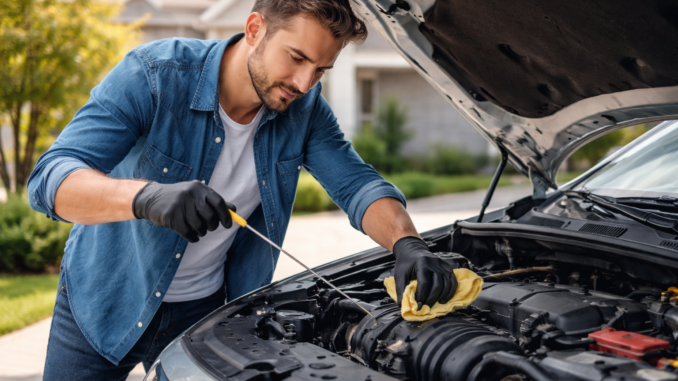
1. Regularly Check and Change Engine Oil
Engine oil is the lifeblood of your vehicle. It lubricates the engine’s moving parts, reduces friction, and prevents overheating. Over time, oil becomes dirty and less effective, which can lead to engine damage.
In 2026, many modern cars have oil-life monitoring systems that alert drivers when it’s time for a change. However, it’s still important to manually check the oil level regularly.
Tips for proper oil maintenance:
- Check oil levels at least once a month
- Change oil every 5,000 to 7,500 miles (or as recommended by the manufacturer)
- Use the correct oil type for your vehicle
- Replace the oil filter during every oil change
Keeping your engine oil fresh ensures better performance, fuel efficiency, and engine longevity.
2. Maintain Proper Tire Pressure
Tires are one of the most important safety components of any vehicle. Incorrect tire pressure can affect fuel efficiency, handling, and tire lifespan.
Underinflated tires create more resistance on the road, which causes the engine to work harder and consume more fuel. Overinflated tires, on the other hand, can reduce traction and increase the risk of blowouts.
Best practices for tire care:
- Check tire pressure at least once a month
- Follow the recommended PSI listed in the owner’s manual
- Inspect tires for cracks, punctures, or uneven wear
- Rotate tires every 6,000 to 8,000 miles
Proper tire maintenance improves safety and helps your vehicle perform better on the road.
3. Replace Air Filters When Necessary
Your car uses two main air filters: the engine air filter and the cabin air filter.
The engine air filter prevents dirt, dust, and debris from entering the engine, while the cabin air filter keeps the air inside your car clean.
A dirty air filter can reduce engine performance and lower fuel efficiency.
Signs that your air filter needs replacement:
- Reduced fuel efficiency
- Weak engine performance
- Unusual engine sounds
- Poor air quality inside the vehicle
Most air filters should be replaced every 12,000 to 15,000 miles, but driving conditions may require more frequent replacements.
4. Inspect and Maintain the Battery
Car batteries typically last between 3 to 5 years, but extreme temperatures and frequent short trips can shorten battery life.
Modern vehicles in 2026 rely heavily on electronics, including infotainment systems, sensors, and driver assistance features. A weak battery can affect these systems.
Battery maintenance tips:
- Check battery terminals for corrosion
- Ensure cables are tightly connected
- Test battery voltage periodically
- Replace the battery when performance declines
Keeping your battery in good condition prevents unexpected breakdowns.
5. Monitor Brake System Health
Your vehicle’s braking system is critical for safety. Worn brake pads or damaged components can significantly increase stopping distance and create dangerous driving conditions.
Common signs of brake problems include:
- Squeaking or grinding noises
- Vibrations when braking
- Soft brake pedal response
- Longer stopping distance
Brake pads usually need replacement every 25,000 to 70,000 miles, depending on driving habits and conditions.
Regular brake inspections ensure your vehicle remains safe on the road.
6. Keep an Eye on Fluid Levels
Your car relies on several fluids to function properly. Ignoring these fluids can lead to serious mechanical issues.
Important fluids to check include:
- Engine coolant
- Transmission fluid
- Brake fluid
- Power steering fluid
- Windshield washer fluid
Low or contaminated fluids can affect vehicle performance and cause expensive damage.
Experts recommend checking fluid levels every few weeks and topping them off as needed.
7. Replace Windshield Wipers Regularly
Windshield wipers may seem like a small component, but they play a major role in driving visibility and safety.
Worn-out wipers can leave streaks on the windshield and reduce visibility during rain or storms.
When to replace wipers:
- Every 6 to 12 months
- When they leave streaks or smears
- If the rubber blades are cracked or damaged
Keeping your windshield clear ensures safer driving in all weather conditions.
8. Pay Attention to Warning Lights
Modern vehicles in 2026 are equipped with advanced diagnostic systems that alert drivers when something is wrong.
Dashboard warning lights should never be ignored. They provide early warnings of potential problems.
Common warning lights include:
- Check engine light
- Battery warning light
- Oil pressure light
- Tire pressure monitoring system (TPMS) light
If a warning light appears, consult your vehicle manual or visit a professional mechanic to diagnose the issue.
Ignoring warning lights can lead to more serious and expensive problems.
9. Keep Your Car Clean Inside and Out
Cleaning your car regularly does more than improve its appearance. Dirt, road salt, and debris can damage your vehicle’s paint and cause rust over time.
Interior cleaning is equally important for maintaining comfort and preserving the value of your vehicle.
Car cleaning tips:
- Wash your car every two weeks
- Wax the exterior every few months
- Vacuum interior carpets and seats
- Clean windows and mirrors for better visibility
A clean car not only looks great but also helps maintain long-term value.
10. Follow Your Vehicle’s Maintenance Schedule
Every vehicle comes with a manufacturer-recommended maintenance schedule that outlines when specific services should be performed.
These schedules typically include:
- Oil changes
- Tire rotations
- Brake inspections
- Fluid replacements
- Timing belt checks
Following the recommended schedule ensures your vehicle remains reliable and prevents unexpected breakdowns.
In 2026, many vehicles include digital service reminders through mobile apps or dashboard systems, making it easier than ever to stay on track with maintenance.
Why Car Maintenance Matters More Than Ever in 2026
Cars today are more technologically advanced than ever before. From hybrid engines to autonomous driving features, modern vehicles depend on complex systems working together seamlessly.
Neglecting basic maintenance can lead to expensive repairs and reduced vehicle lifespan.
Proper car care offers several important benefits:
- Improved fuel efficiency
- Enhanced driving safety
- Lower repair costs
- Better vehicle performance
- Higher resale value
Drivers who stay proactive with maintenance can enjoy a smoother and more reliable driving experience.
Final Thoughts
Car maintenance is not just about preventing breakdowns—it’s about protecting your investment and ensuring safe driving for you and your passengers.
By following these 10 essential car maintenance tips, drivers in 2026 can keep their vehicles running efficiently and avoid costly repairs.
Even simple actions like checking tire pressure, changing engine oil, and monitoring warning lights can make a significant difference in your car’s performance and longevity.
A well-maintained vehicle is not only safer but also more enjoyable to drive. Make these maintenance habits part of your routine, and your car will reward you with reliability and durability for years to come.