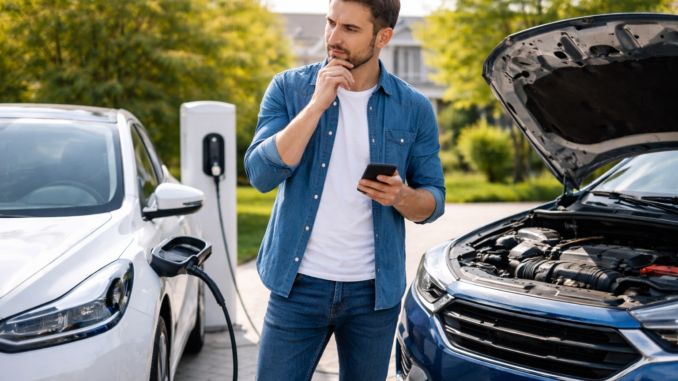
Electric vs Gas Cars: Which Vehicle Type Is the Best Choice for Modern Drivers?
The automotive industry is undergoing a major transformation. Over the past decade, electric vehicles have become more popular, while traditional gasoline-powered cars continue to dominate the roads worldwide. As technology advances and environmental concerns grow, many drivers are asking an important question: Should you choose an electric car or a gas-powered vehicle?
Both options offer unique advantages and disadvantages. Choosing the right vehicle depends on factors such as budget, driving habits, charging availability, and long-term ownership costs. In this article, we will explore the key differences between electric cars and gasoline vehicles to help modern drivers make the best decision in 2026.
Understanding Electric Vehicles (EVs)
Electric vehicles, commonly known as EVs, run entirely on electricity instead of gasoline. They use a rechargeable battery that powers an electric motor to move the car.
Unlike traditional vehicles, electric cars do not require fuel such as petrol or diesel. Instead, drivers charge them using home charging stations or public charging networks.
Key Features of Electric Vehicles
Electric vehicles have several unique characteristics that make them attractive to modern drivers:
- Zero tailpipe emissions, making them environmentally friendly
- Quiet driving experience with minimal engine noise
- Lower maintenance costs due to fewer moving parts
- Instant acceleration from electric motors
- Home charging convenience
Over the past few years, improvements in battery technology have also increased driving range, making EVs more practical for daily use.
Understanding Gasoline-Powered Cars
Gasoline vehicles have been the standard mode of transportation for more than a century. These cars rely on an internal combustion engine (ICE) that burns fuel to generate power.
Gas cars remain extremely popular due to their established infrastructure and long driving range.
Key Features of Gas Cars
Traditional gasoline vehicles offer several benefits:
- Widespread fuel availability at gas stations
- Long driving range without frequent stops
- Faster refueling compared to charging
- Lower upfront purchase price in many cases
Even with the rise of electric vehicles, gasoline cars continue to be a reliable choice for many drivers around the world.
Cost Comparison: Electric vs Gas Cars
One of the most important factors when choosing a vehicle is cost. This includes not only the purchase price but also long-term ownership expenses.
Upfront Cost
Electric vehicles generally have higher upfront prices compared to gasoline cars. The main reason is the cost of advanced battery technology.
However, many governments provide incentives or tax credits for EV buyers, which can help reduce the purchase price.
Gas cars typically have lower initial prices, making them more accessible for budget-conscious buyers.
Fuel and Energy Costs
When it comes to daily operation, electric vehicles are usually cheaper to run.
Charging an EV typically costs significantly less than filling a gas tank. Electricity prices are often more stable compared to fuel prices.
Gasoline vehicles depend on fluctuating fuel markets, which can make operating costs unpredictable.
Maintenance and Reliability
Maintenance costs are another important consideration when comparing electric and gas vehicles.
Electric Vehicle Maintenance
Electric cars have fewer moving parts than gasoline vehicles. They do not require:
- Oil changes
- Spark plug replacements
- Exhaust system repairs
- Fuel system maintenance
This simplicity often results in lower maintenance costs over time.
However, battery replacement can be expensive if it becomes necessary after many years of use.
Gas Vehicle Maintenance
Gasoline cars require regular maintenance to keep the engine running efficiently. This includes:
- Oil changes
- Engine tune-ups
- Transmission service
- Fuel system cleaning
Although these services are routine, they add to the overall cost of owning a gas vehicle.
Environmental Impact
Environmental concerns are one of the biggest reasons many drivers consider switching to electric vehicles.
Electric Cars and the Environment
Electric vehicles produce zero direct emissions while driving. This means they do not release harmful gases like carbon dioxide or nitrogen oxides from the tailpipe.
As more countries adopt renewable energy sources such as solar and wind power, charging electric vehicles becomes even cleaner.
However, manufacturing EV batteries requires energy and raw materials, which can impact the environment.
Gas Cars and Emissions
Gasoline vehicles release carbon emissions during combustion. These emissions contribute to air pollution and climate change.
Modern engines are more efficient than older models, but they still produce greenhouse gases.
For drivers who prioritize environmental sustainability, electric vehicles are often considered the better option.
Driving Range and Refueling
Range and convenience play a major role in vehicle choice, especially for drivers who travel long distances.
Electric Vehicle Range
Most modern EVs in 2026 offer 200 to 400 miles of range on a full charge, depending on the model.
Charging times vary based on the charging method:
- Home charging: 6 to 10 hours
- Fast charging stations: 20 to 45 minutes
Charging infrastructure is expanding quickly in many countries, but it may still be limited in some regions.
Gas Vehicle Range
Gasoline vehicles typically offer 300 to 500 miles of range per tank.
Refueling takes only a few minutes at gas stations, which remain widely available worldwide.
For drivers who frequently take long road trips, gas vehicles may offer greater convenience.
Performance and Driving Experience
Modern vehicles are designed to provide comfort, safety, and performance.
Electric Vehicle Performance
Electric vehicles are known for their instant torque, which provides quick acceleration and smooth driving.
Other benefits include:
- Quiet operation
- Smooth power delivery
- Advanced technology features
Many EV owners enjoy the futuristic driving experience that electric cars provide.
Gas Vehicle Performance
Gasoline cars still offer strong performance, especially for sports cars and heavy-duty vehicles.
Drivers who enjoy the traditional feel of an engine, gear shifting, and engine sound often prefer gasoline-powered vehicles.
Charging Infrastructure vs Gas Stations
Accessibility is another key factor when comparing EVs and gas vehicles.
Electric Charging Stations
Public charging stations are becoming more common in cities, shopping centers, and highways.
Many EV owners also install home charging systems, allowing them to charge overnight.
Despite rapid growth, charging networks are still developing in some regions.
Gas Station Availability
Gas stations are widely available almost everywhere. Drivers rarely need to worry about finding a place to refuel.
This convenience continues to be a major advantage for gasoline vehicles.
Which Option Is Better for Modern Drivers?
The best choice between electric and gas cars depends on individual needs and lifestyle.
Electric Cars Are Best For:
- Drivers who want lower long-term operating costs
- People concerned about environmental impact
- Urban commuters with access to charging stations
- Technology enthusiasts who enjoy modern features
Gas Cars Are Best For:
- Drivers who frequently take long road trips
- Areas with limited charging infrastructure
- Buyers seeking lower upfront costs
- Drivers who prefer traditional engine performance
Both vehicle types serve different purposes, and the right choice depends on how you plan to use your car.
The Future of the Automotive Industry
The global automotive market is gradually shifting toward electrification. Many car manufacturers have announced plans to expand their electric vehicle lineup in the coming years.
Governments are also introducing stricter emission regulations and encouraging the adoption of cleaner transportation.
However, gasoline vehicles will likely remain on the roads for many years as the transition to electric mobility continues.
Hybrid vehicles, which combine electric motors with gasoline engines, are also becoming a popular middle-ground option.
Final Thoughts
Choosing between electric cars and gasoline vehicles is an important decision for modern drivers. Each option offers unique advantages, and the best choice depends on your lifestyle, driving habits, and budget.
Electric vehicles provide environmental benefits, lower maintenance costs, and advanced technology. Gasoline vehicles, on the other hand, offer convenience, longer range, and lower upfront prices.
As technology continues to evolve, both electric and gas vehicles will play a role in shaping the future of transportation.
Before purchasing a car, drivers should carefully consider their daily driving needs, charging access, and long-term costs. By doing so, they can choose the vehicle that best fits their lifestyle and supports their mobility for years to come. 🚗⚡