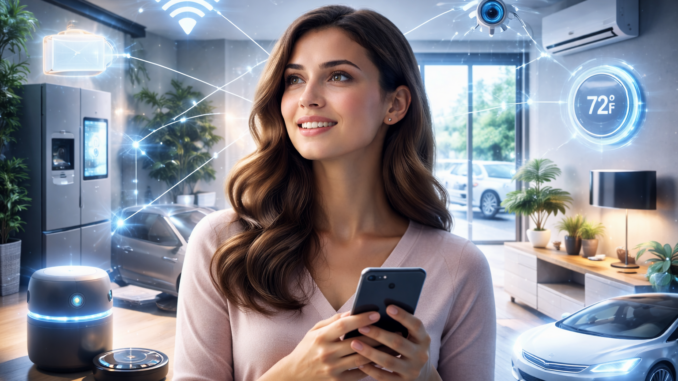
The Future of Smart Devices: How Technology Is Making Life Easier
Technology is evolving rapidly, and one of the most noticeable changes in recent years is the rise of smart devices. These intelligent gadgets are designed to make everyday life easier, more efficient, and more connected. From smart home assistants and wearable fitness trackers to intelligent appliances and connected vehicles, smart devices are transforming how people interact with technology.
As innovation continues to accelerate, the future of smart devices looks even more promising. In this article, we will explore how smart devices are shaping the future and making life easier through advanced technology, while also examining their growing role in modern society.
What Are Smart Devices?
Smart devices are electronic gadgets that connect to the internet or other devices to perform automated or intelligent functions. These devices often use technologies such as artificial intelligence, sensors, cloud computing, and the Internet of Things (IoT).
Unlike traditional devices, smart devices can collect data, analyze information, and adapt to user behavior. This ability allows them to automate tasks and provide personalized experiences.
Examples of popular smart devices include:
- Smart speakers and voice assistants
- Smart thermostats and lighting systems
- Wearable health trackers
- Smart security cameras
- Connected home appliances
These devices are designed to simplify daily tasks and improve convenience for users.
The Growth of Smart Device Technology
The rapid growth of smart devices is largely driven by advancements in connectivity, artificial intelligence, and affordable sensors. High-speed internet and wireless networks allow devices to communicate with each other instantly.
Cloud computing also plays a major role by storing and processing large amounts of data generated by smart devices. This enables devices to become more intelligent over time.
As technology continues to improve, more products are being designed with smart capabilities. Today, homes, workplaces, and even cities are becoming increasingly connected through smart technologies.
Smart Homes: The Heart of Connected Living
One of the most exciting developments in smart technology is the rise of smart homes. A smart home uses connected devices that allow homeowners to control various systems remotely through smartphones or voice commands.
Automated Lighting and Climate Control
Smart lighting systems allow users to control brightness, color, and schedules from their mobile devices. Lights can automatically turn on when someone enters a room or turn off when the room is empty.
Smart thermostats also help manage home temperatures more efficiently. These devices learn a user’s schedule and adjust heating or cooling accordingly. This not only improves comfort but also helps reduce energy consumption.
Smart Security Systems
Home security has also improved significantly with smart devices. Smart cameras, motion sensors, and doorbell cameras allow homeowners to monitor their property in real time.
Users can receive instant alerts if unusual activity is detected. Some systems even allow users to communicate with visitors remotely through built-in microphones and speakers.
These smart security features provide greater peace of mind and improved safety for homeowners.
Wearable Technology and Personal Health
Wearable devices are another major category of smart technology. These devices are designed to be worn on the body and often track health and fitness information.
Popular wearable devices include smartwatches and fitness trackers that monitor steps, heart rate, sleep patterns, and physical activity levels.
Health Monitoring
Many wearable devices now include advanced sensors that can detect changes in health conditions. For example, some devices can monitor blood oxygen levels or track irregular heart rhythms.
This data can help users understand their health better and encourage healthier lifestyles.
Fitness and Motivation
Smart wearables also motivate users to stay active. Fitness apps connected to wearable devices provide personalized goals, reminders, and performance insights.
By combining data and user feedback, wearable technology helps individuals stay motivated and maintain healthy habits.
Smart Devices in the Workplace
Smart technology is not limited to homes. Businesses and workplaces are also adopting smart devices to improve productivity and efficiency.
Smart Office Environments
Modern offices are using smart lighting, automated climate control, and connected meeting systems to create comfortable workspaces.
For example, smart conference rooms can automatically adjust lighting and display presentations when a meeting begins. Voice-controlled systems can help employees manage schedules or start video calls easily.
Remote Work Technology
The rise of remote work has also increased the demand for smart devices that support communication and collaboration. Smart cameras, microphones, and virtual meeting tools allow teams to stay connected even when working from different locations.
These technologies make it easier for businesses to maintain productivity while supporting flexible work environments.
Smart Appliances and Daily Convenience
Household appliances are becoming smarter as well. Many modern appliances are now connected to the internet and can be controlled through mobile apps.
Smart Kitchen Devices
Smart refrigerators can track food inventory and notify users when items are running low. Some refrigerators even suggest recipes based on the ingredients available inside.
Smart ovens and cooking devices allow users to monitor cooking progress remotely or adjust temperatures using their smartphones.
Automated Cleaning Devices
Robotic vacuum cleaners and smart cleaning systems can automatically clean floors and navigate around obstacles. These devices save time and reduce the effort required for household chores.
With continued advancements, smart appliances will become even more efficient and convenient.
Smart Transportation and Mobility
Transportation is another area where smart devices are making life easier. Vehicles today are equipped with advanced technologies that improve safety and driving experiences.
Connected Vehicles
Modern vehicles often include smart navigation systems, voice controls, and real-time traffic updates. These features help drivers find faster routes and avoid congestion.
Connected vehicles can also communicate with other vehicles and traffic systems to improve road safety.
Autonomous Driving Technology
Self-driving technology is also developing rapidly. Autonomous vehicles rely on sensors, cameras, and artificial intelligence to navigate roads without human intervention.
Although fully autonomous cars are still being developed, many vehicles already include features such as adaptive cruise control, lane assistance, and automatic parking.
These innovations are paving the way for safer and more efficient transportation systems.
The Role of Artificial Intelligence in Smart Devices
Artificial intelligence is one of the key technologies behind smart devices. AI allows devices to learn from user behavior and improve their performance over time.
For example, voice assistants can understand natural language commands and respond with helpful information. Smart home systems can learn a user’s daily routine and automate tasks accordingly.
AI also enables predictive features. For example, a smart device might suggest turning off unused appliances or adjusting lighting based on the time of day.
As AI technology advances, smart devices will become even more intuitive and capable.
Challenges and Concerns of Smart Devices
Despite their many benefits, smart devices also raise some concerns.
Privacy and Data Security
Because smart devices collect large amounts of personal data, privacy and security are important issues. Protecting user information from cyber threats is essential for maintaining trust in these technologies.
Manufacturers must implement strong security measures and provide transparent data policies.
Device Compatibility
Another challenge is compatibility between different smart devices. Some devices may not work well with others if they use different platforms or communication protocols.
Industry standards and improved integration are helping solve this issue.
The Future of Smart Devices
The future of smart devices is incredibly exciting. As technology continues to evolve, smart devices will become more powerful, affordable, and widely available.
Some expected developments include:
- More advanced AI-powered home automation
- Improved health monitoring through wearable devices
- Fully connected smart cities
- Smarter transportation systems
- Enhanced energy management technologies
These innovations will continue to simplify daily life and create more efficient living environments.
Conclusion
Smart devices are rapidly transforming the way people live and interact with technology. From smart homes and wearable health trackers to intelligent appliances and connected vehicles, these devices are designed to make everyday life easier and more convenient.
As artificial intelligence, connectivity, and sensor technologies continue to improve, smart devices will become even more advanced and integrated into daily routines.
The future of smart devices is not just about convenience—it is about creating a smarter, safer, and more connected world. By embracing these technologies responsibly, individuals and businesses can benefit from the many opportunities that smart innovation brings. 🚀